The Origins of Flipbooks
The flipbook, a charming relic of
animation's early days, is a simple yet ingenious creation that has delighted
both children and adults for generations. Its origins can be traced back to the
mid-19th century, a time when the fascination with motion and the illusion of
movement began to capture the imagination of inventors and artists alike.
The first known flipbook, or
"kineograph," was patented by John Barnes Linnett in 1868. This early
form of animation consisted of a series of images that, when flipped rapidly,
created the appearance of motion. It was a groundbreaking concept, paving the
way for the development of animated movies and cartoons.
Flipbooks in the 20th Century
As the 20th century progressed, flipbooks
evolved and became more sophisticated. They found their way into various forms
of entertainment, education, and advertising. In the world of animation,
flipbooks were used as a tool for animators to test their sequences before
committing them to film. They were also popular as promotional items, offering
a whimsical and engaging way to capture the attention of potential customers.
Flipbooks in Education
In the classroom, flipbooks became a valuable educational tool. They were used to illustrate scientific principles, historical events, and even literary narratives. Their tactile nature made them particularly appealing to young learners, who could physically interact with the pages to see the progression of ideas and concepts.
Flipbooks in Advertising
Advertisers quickly recognised the
potential of flipbooks to create memorable marketing campaigns. Brands used
flipbooks to showcase their products in action, providing a dynamic visual
experience that static images simply couldn't match. These promotional
flipbooks were often handed out at trade shows, fairs, and other public events,
leaving a lasting impression on recipients.
The Digital Revolution and the Birth of Digital Flipbooks
The advent of the digital age brought about
significant changes in how we create, share, and consume information.
Traditional print media began to give way to digital formats, and the humble
flipbook was no exception. The transition from paper to pixels gave rise to the
digital flipbook, a modern iteration that combines the nostalgic charm of its
predecessor with the advantages of digital technology.
Advantages of Digital Flipbooks
Digital flipbooks offer numerous benefits over traditional PDFs, making them a preferred choice for reports, books, documents, and more. Here are some key advantages:
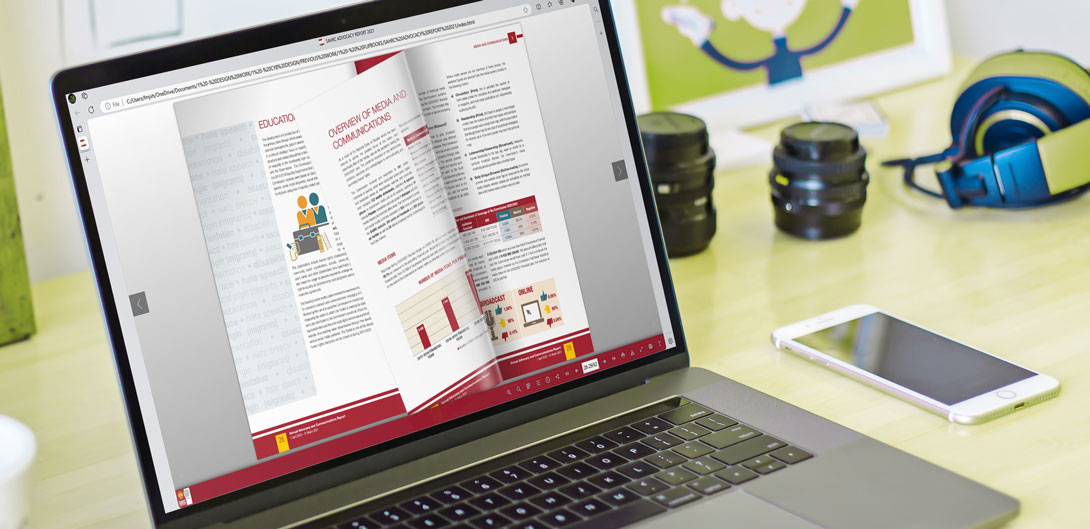
Interactivity: Digital flipbooks provide an interactive experience, allowing users to flip through pages with a simple swipe or click. This mimics the natural motion of flipping through a physical book, making the experience more engaging and intuitive.
Multimedia Integration: Unlike static PDFs, digital flipbooks can incorporate multimedia elements such as videos, audio clips, animations, and hyperlinks. This enhances the content and makes it more dynamic and informative.
Accessibility: Digital flipbooks can be accessed from any device with an internet connection, including smartphones, tablets, and computers. This ensures that readers can view the content anytime, anywhere.
Customisation: Digital flipbooks offer a high degree of customisation, allowing creators to tailor the design, layout, and branding to suit their needs. This ensures a cohesive and professional presentation.
Environmentally Friendly: By reducing the need for printed materials, digital flipbooks contribute to environmental sustainability. They help minimize paper waste and the carbon footprint associated with printing and distribution.
Flipbooks as a Better Alternative to PDFs
While PDFs have long been the standard for
digital documents, they come with certain limitations that digital flipbooks
overcome. PDFs can be static, unengaging, and challenging to navigate,
particularly on smaller screens. In contrast, digital flipbooks offer a more
user-friendly and immersive experience.
Enhanced Navigation
One of the primary advantages of digital
flipbooks is their enhanced navigation. Flipbooks often feature intuitive
navigation tools such as clickable table of contents, thumbnail previews, and
search functions. This makes it easier for readers to find specific information
quickly and efficiently.
Improved Visual Appeal
Digital flipbooks are designed to be
visually appealing, with smooth page transitions and realistic flipping
effects. This creates a more enjoyable reading experience compared to the
static nature of PDFs. The ability to incorporate multimedia elements further
enhances the visual appeal and engagement.
Interactive Features
The interactive features of digital
flipbooks, such as embedded videos, animations, and interactive forms, provide
a richer and more engaging experience for readers. This interactivity can be
particularly beneficial for educational materials, marketing content, and
corporate reports.
The Future of Digital Flipbooks
As technology continues to advance, the
potential for digital flipbooks is limitless. With the integration of augmented
reality (AR) and virtual reality (VR), digital flipbooks could offer even more
immersive experiences. Imagine flipping through a book and having 3D models pop
out of the pages or exploring a historical event through a virtual tour
embedded within the flipbook.
In addition to technological advancements,
the growing emphasis on accessibility and inclusivity will drive the evolution
of digital flipbooks. Features such as text-to-speech, adjustable font sizes,
and multi-language support will ensure that digital flipbooks are accessible to
a broader audience.
Conclusion
Flipbooks have evolved from simple animation devices to sophisticated digital solutions. The evolution of flipbooks reflects the broader trends in how we create and consume information in the digital age. As a versatile, interactive, and visually appealing alternative to PDFs, digital flipbooks are well-positioned to continue shaping the future of document presentation and engagement.
References
Jones, A. (2023) Interactive Digital Documents: The
Future of Publishing. New York: TechPress.
Smith, B. (2022) 'The Benefits of Flipbooks Over Traditional
PDFs', Journal of Digital Media, 15(4), pp. 45-60.
Williams, C. and Brown, D. (2021) Designing Interactive
Content for the Modern Reader. London: MediaHouse.
Green, E. (2020) 'SEO Advantages of Flipbooks', Search
Engine Journal, 8(3), pp. 23-35.
Martinez, L. (2019) 'Enhancing User Experience with
Flipbooks', Digital Content Today, 10(2), pp. 12-27.